
Voice & multimodal / PROPOSED CONCEPT
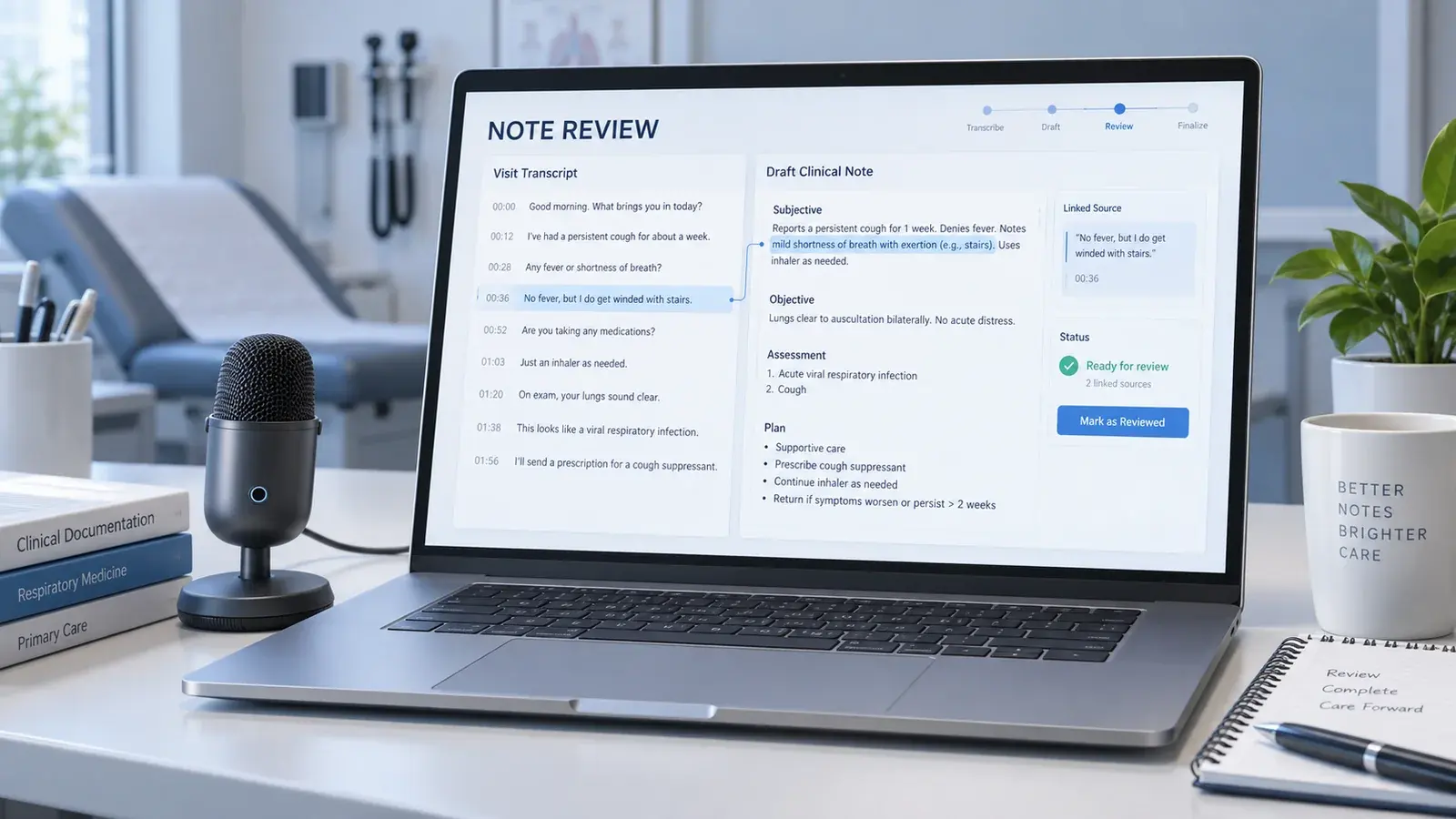
Clinical note review studio.
Consented transcript intake. Source-linked note drafts.
The opportunity
A real need.
A considered response.
Turning a consultation into a complete note adds work after the conversation. A drafting tool can connect a proposed note to transcript evidence so a clinician can correct it before it enters the record.
DESIGNED AROUND
Clinical teams evaluating consented documentation assistance.
What would this look like for you?
Ask the architect to connect this concept to your systems, or challenge its assumptions.
The experience
What this could make possible.
Source-linked note drafts
Omission review
Clinician finalisation
01
Confirm recording consent
→02
Transcribe the encounter
→03
Prepare a source-linked draft
→04
Review and finalise
Under the surface
The engineering
behind the experience.
Architecture is a starting hypothesis. Discovery and representative tests decide what belongs in the first build.
POTENTIAL CONNECTIONSApproved recording workflowEHR note templateSecure clinical storage
01Architecture to explore+
- Speech recognition with speaker and language evaluation
- Structured note templates
- Transcript-to-claim evidence mapping
- Restricted retention and explicit EHR export
02Integration dependencies+
Approved recording workflow, EHR note template, Secure clinical storage. Confirm access, data ownership, update frequency and failure behaviour during discovery.
03Validation and human control+
Check omissions, negation errors, attribution and unsupported clinical statements. Clinical records require clinician review. No diagnostic decisions or covert recording; sensitive-data approval is required before deployment.
A useful first step
Start small.
Learn something real.
Consented simulated consultations in one specialty and one language, assessed by clinicians.
Evidence to look for
Check omissions, negation errors, attribution and unsupported clinical statements.
A boundary to design for
Clinical records require clinician review. No diagnostic decisions or covert recording; sensitive-data approval is required before deployment.
Proposed scope, not a delivery commitment. Data, permissions, operational constraints and sector requirements need review before implementation.
Connected capabilities
AI Agents & Workflow AutomationKnowledge & Document AIBackend, API & Integration EngineeringResearch behind the direction
American Medical AssociationPrior authorization research and reports ↗AnthropicBuilding effective agents ↗AnthropicDemystifying evals for AI agents ↗These sources inform technical possibilities. They do not demonstrate a Tomatrix deployment or endorse this proposed product.
From possibility to a conversation
Make this
your starting point.
Add a little context. Preview a practical brief, then keep it for a conversation with Tomatrix.
Built locally from this concept. No AI service is called and nothing is submitted. Please leave out confidential information.
Preview your concept brief
PRODUCT EXPLORATION: Clinical note review studio

Status: Proposed concept — scope and feasibility to be agreed.

Our context:
To be discussed.

Who this could help:
Clinical teams evaluating consented documentation assistance.

A useful first pilot:
Consented simulated consultations in one specialty and one language, assessed by clinicians.

What to evaluate:
Check omissions, negation errors, attribution and unsupported clinical statements.

Important boundary:
Clinical records require clinician review. No diagnostic decisions or covert recording; sensitive-data approval is required before deployment.

Integrations to explore:
Approved recording workflow, EHR note template, Secure clinical storage

Concept reference: /products/clinical-documentation
Keep exploring
Related possibilities.
PROPOSED CONCEPT
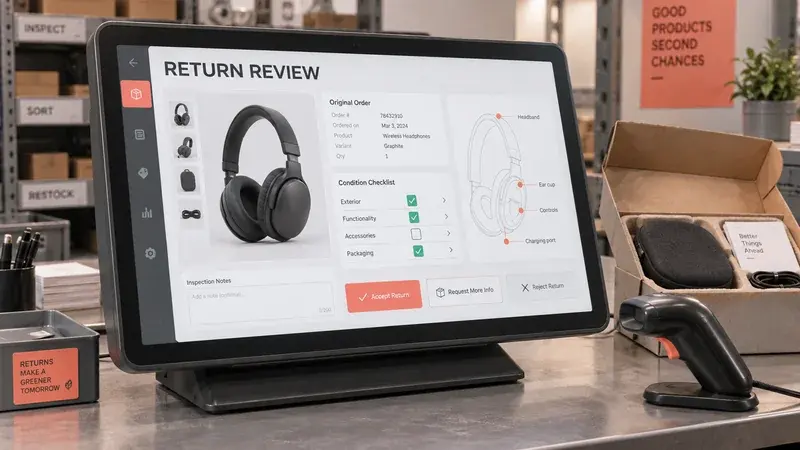
Returns inspection assistant ↗
Order-to-item comparison. Condition evidence capture.
PROPOSED CONCEPT
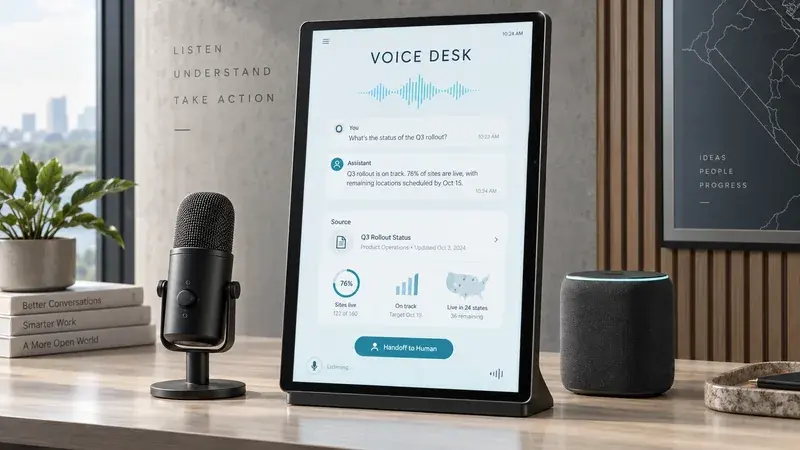
Voice service assistant ↗
A natural conversation. A clear handoff.
PROPOSED CONCEPT
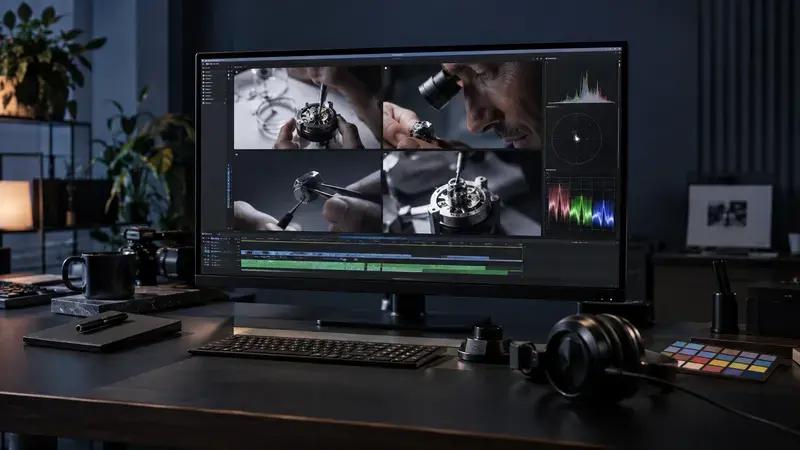
Multimodal review room ↗
Bring image, document and conversation into context.