
Data & decision systems / PROPOSED CONCEPT
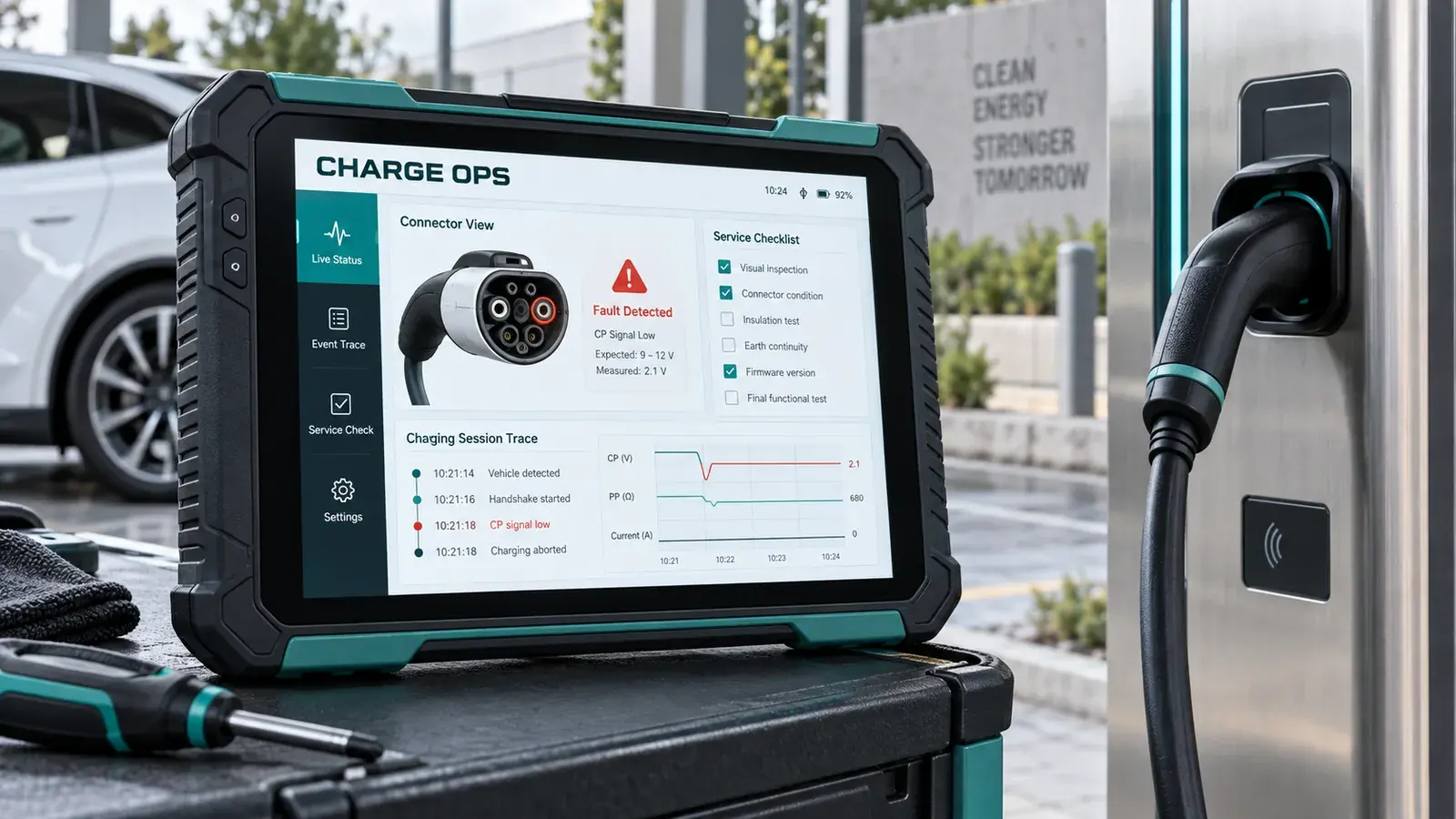
EV charging assurance desk.
Failed-session investigation. Connector health context.
The opportunity
A real need.
A considered response.
A failed charging session can involve the connector, authentication, payment or communications. Operators need session evidence connected to equipment history before dispatching a technician.
DESIGNED AROUND
Charge-point operators and field maintenance teams.
What would this look like for you?
Ask the architect to connect this concept to your systems, or challenge its assumptions.
The experience
What this could make possible.
Connector health context
Repeat-fault grouping
Reviewed field work orders
01
Collect session events
→02
Correlate asset history
→03
Identify missing evidence
→04
Review a dispatch recommendation
Under the surface
The engineering
behind the experience.
Architecture is a starting hypothesis. Discovery and representative tests decide what belongs in the first build.
POTENTIAL CONNECTIONSOCPP backendPayment exception logAsset inventoryField-service system
01Architecture to explore+
- OCPP event ingestion and timestamp reconciliation
- Rules and anomaly detection over session state
- Runbook retrieval with uncertainty
- Read-only first pilot and explicit dispatch approval
02Integration dependencies+
OCPP backend, Payment exception log, Asset inventory, Field-service system. Confirm access, data ownership, update frequency and failure behaviour during discovery.
03Validation and human control+
Check false fault grouping, missed payment causes and unnecessary dispatch suggestions. No remote charger control or automated refunds in the first pilot. Electrical work remains with qualified staff.
A useful first step
Start small.
Learn something real.
One charging site and a labelled set of failed sessions; replay events without changing chargers.
Evidence to look for
Check false fault grouping, missed payment causes and unnecessary dispatch suggestions.
A boundary to design for
No remote charger control or automated refunds in the first pilot. Electrical work remains with qualified staff.
Proposed scope, not a delivery commitment. Data, permissions, operational constraints and sector requirements need review before implementation.
Connected capabilities
AI Agents & Workflow AutomationKnowledge & Document AIBackend, API & Integration EngineeringResearch behind the direction
IEAElectric vehicle charging · Global EV Outlook 2026 ↗AnthropicBuilding effective agents ↗AnthropicDemystifying evals for AI agents ↗These sources inform technical possibilities. They do not demonstrate a Tomatrix deployment or endorse this proposed product.
From possibility to a conversation
Make this
your starting point.
Add a little context. Preview a practical brief, then keep it for a conversation with Tomatrix.
Built locally from this concept. No AI service is called and nothing is submitted. Please leave out confidential information.
Preview your concept brief
PRODUCT EXPLORATION: EV charging assurance desk

Status: Proposed concept — scope and feasibility to be agreed.

Our context:
To be discussed.

Who this could help:
Charge-point operators and field maintenance teams.

A useful first pilot:
One charging site and a labelled set of failed sessions; replay events without changing chargers.

What to evaluate:
Check false fault grouping, missed payment causes and unnecessary dispatch suggestions.

Important boundary:
No remote charger control or automated refunds in the first pilot. Electrical work remains with qualified staff.

Integrations to explore:
OCPP backend, Payment exception log, Asset inventory, Field-service system

Concept reference: /products/ev-charge-assurance
Keep exploring
Related possibilities.
PROPOSED CONCEPT
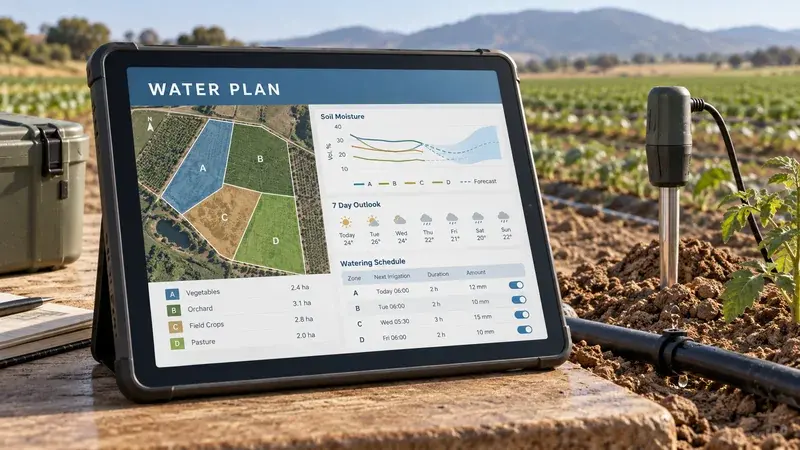
Irrigation scenario planner ↗
Field-zone water context. Moisture and forecast comparison.
PROPOSED CONCEPT
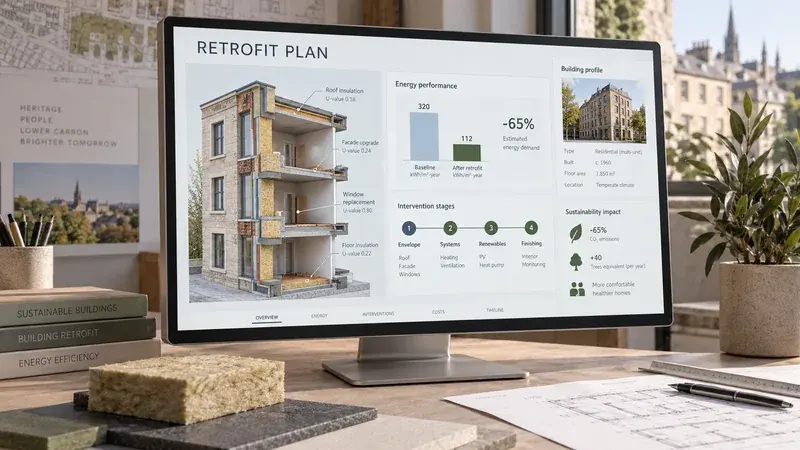
Retrofit evidence planner ↗
Building baseline review. Intervention comparison.
PROPOSED CONCEPT
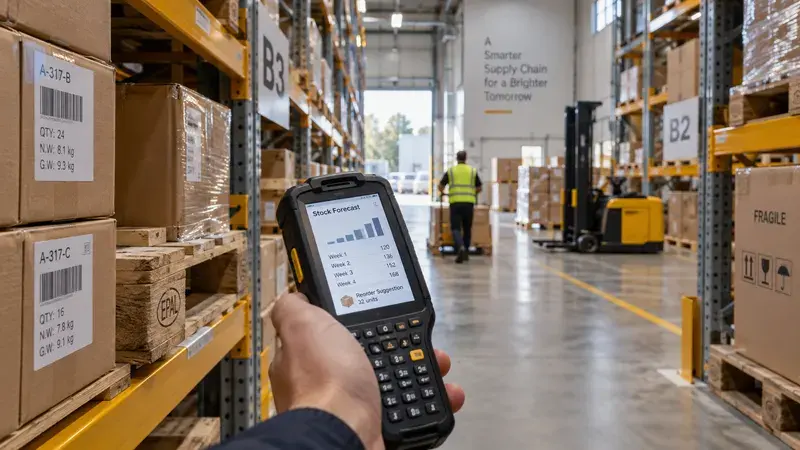
Inventory planning workspace ↗
See the assumptions behind the next order.